
Leading Products For Concrete Parking Lot Pavings That Ensure Durability
Explore top-rated products designed to enhance the longevity and performance of your concrete parking lot pavings with ease.
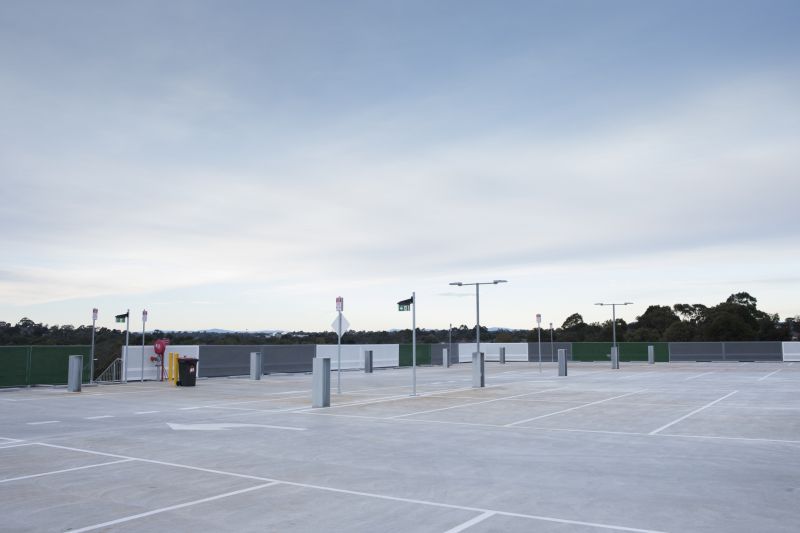 Concrete parking lot paving is a fundamental aspect of commercial and industrial infrastructure, providing durable and stable surfaces for vehicle traffic and storage. Selecting the appropriate products for paving involves understanding various materials and accessories that contribute to the longevity and safety of a parking lot. From foundational layers to surface treatments, a comprehensive approach ensures the pavement withstands daily wear and environmental factors.
Top Overall Option
Concrete Pavement Reinforcement System
This comprehensive reinforcement system includes high-strength steel rebar, wire mesh, and joint fillers designed to enhance the structural integrity of concrete parking lots. It provides a durable foundation capable of supporting heavy traffic loads while minimizing cracking and surface deterioration. Ideal for large-scale commercial projects, this system offers a reliable solution for long-term pavement performance.
Types of Products For Concrete Parking Lot Pavings
Reinforcing Steel Rebar
Steel rebar provides tensile strength to concrete slabs, helping prevent cracking and structural failure.
Wire Mesh
Welded wire mesh offers reinforcement for concrete surfaces, distributing loads evenly and reducing cracking.
Concrete Sealant
Sealants are applied to concrete surfaces to protect against water penetration and surface wear.
Joint Filler
Joint fillers accommodate expansion and contraction, preventing damage from temperature changes.
Crack Filler
Crack fillers are used to repair small cracks, helping to maintain pavement integrity.
Pavement Marking Paint
Specialized paints for marking parking spaces and traffic lanes on concrete surfaces.
Expansion Joint Material
Materials used to create expansion joints that allow for movement without damage.
Concrete Surface Coatings
Coatings that enhance surface durability and provide slip resistance.
Base Layer Gravel
Crushed gravel used as a stable base layer to support the concrete slab.
Vapor Barriers
Membranes installed beneath concrete to prevent moisture migration from the subgrade.
Concrete Edging Restraints
Edge restraints help maintain the shape and integrity of the pavement perimeter.
Surface Texturing Tools
Tools and mats used to create slip-resistant textures on concrete surfaces.
Traffic Speed Bumps
Installed to control vehicle speed and enhance safety within parking lots.
Parking Lot Signage
Signs for directing traffic, parking rules, and safety instructions.
Lighting Fixtures
Lighting solutions to improve visibility and safety during nighttime hours.
Drainage Grates
Drainage components to facilitate water runoff and prevent pooling.
Popular Choices
Complete kits for filling and sealing cracks to maintain pavement integrity.
Durable tape used for delineating parking spaces and traffic lanes.
Seal coats designed to protect concrete surfaces from wear and water damage.
Sets of cones for directing traffic and marking hazards in parking areas.
Barriers to restrict access or protect pedestrians and vehicles.
Markers that improve visibility of parking boundaries at night.
Cleaning solutions formulated for maintaining concrete pavement surfaces.
Plastic or rubber delineators to clearly mark individual parking spots.
Protective sprays that help extend the life of concrete surfaces.
Patches designed to repair larger damaged areas on concrete surfaces.
Bumps installed to control vehicle speed and improve safety.
Tape used to enhance visibility of parking lot markings and barriers.
Components to improve water runoff management in parking lots.
Tools or mats used to create slip-resistant textures on concrete.
Posts used to delineate boundaries and protect structures.
The process typically begins with preparing the subgrade to ensure stability. Base materials such as compacted gravel or crushed stone are used to create a solid foundation. Surface overlays like concrete slabs are then installed, often reinforced with steel rebar or wire mesh to prevent cracking and enhance strength. Sealants and joint fillers are applied to minimize water infiltration and manage expansion and contraction caused by temperature fluctuations.
Maintenance products also play a crucial role in preserving the integrity of parking lot pavements. Items such as crack fillers, seal coats, and patching compounds help address minor damages before they escalate into costly repairs. Proper selection and application of these products can extend the lifespan of the parking lot, ensuring it remains functional and safe for users over time. When choosing products, considerations such as climate, traffic load, and existing pavement conditions are essential to achieving optimal results.
Key Buying Considerations
- Assess the expected vehicle load and traffic volume to select appropriate reinforcement and surface materials.
- Consider the local climate and temperature fluctuations, which influence expansion joints and sealants.
- Evaluate the existing pavement condition to determine whether repair, reinforcement, or complete replacement is necessary.
- Choose products compatible with each other to ensure proper bonding and performance.
- Prioritize products with proven durability and resistance to wear and water infiltration.
- Determine the required thickness and reinforcement type based on parking lot size and usage.
- Account for safety features such as slip resistance and clear visibility markings.
- Review maintenance requirements for selected products to facilitate long-term upkeep.
- Consider ease of installation and whether professional services are needed for certain products.
- Check for compatibility with existing infrastructure like drainage systems and lighting.
- Estimate budget constraints while balancing quality and longevity of materials.
- Ensure products meet relevant safety and construction standards applicable in your region.
- Plan for future expansion or modifications by selecting adaptable and scalable products.
- Review user feedback and product reviews to gauge real-world performance.
- Identify products that offer straightforward application processes to reduce installation time.